Learning and knowledge

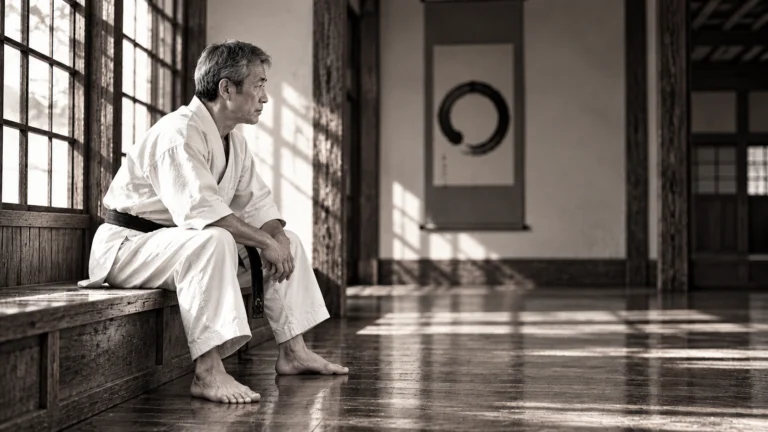
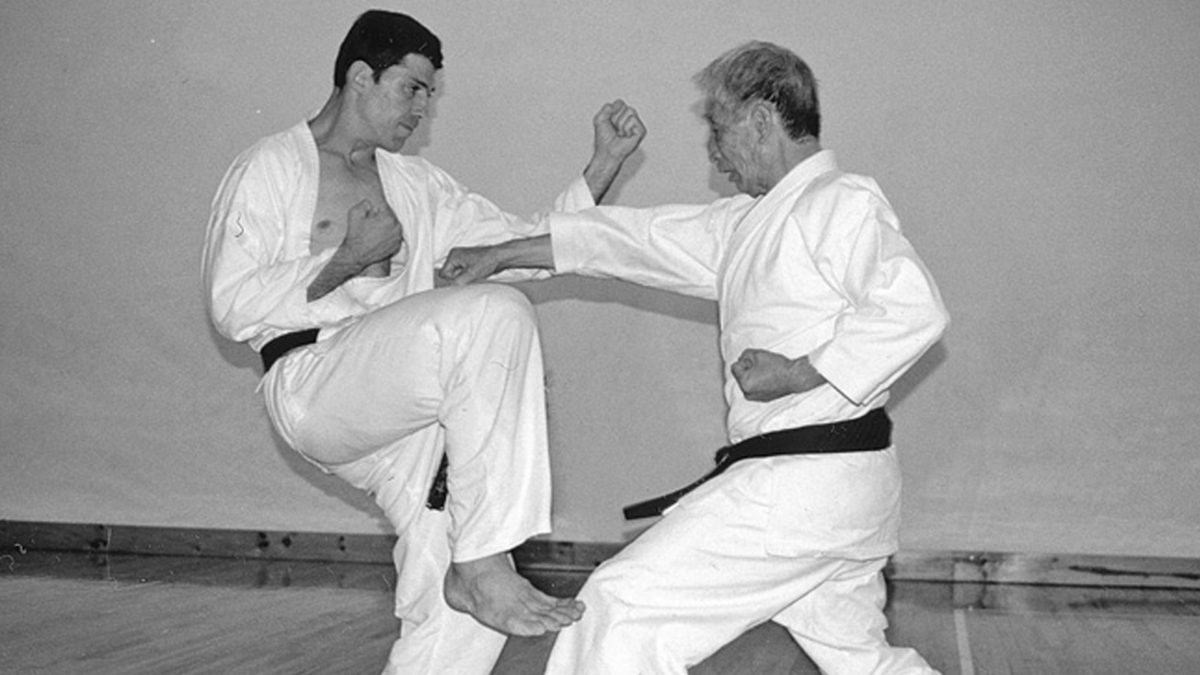
Sensei Nishiyama used to say, “Once you think you know, you are finished, you don’t learn anymore”.
This illustrates the problem with knowledge – when we feel we “know” something completely, it can start to feel dull and lifeless. The fact that we can observe the wonders around us every day and not remain in awe shows that our sense of curiosity has died in some way. “Not knowing” is different than willful ignorance.

So how can we continue to learn and expand our understanding, while still retaining a feeling of wonder and newness? One approach is to think of each new thing we learn as one piece of a larger puzzle that is still incomplete. Instead of letting each new bit of knowledge become just another item we “know” and file away, we can use it as a reminder of all that still remains a mystery to us.

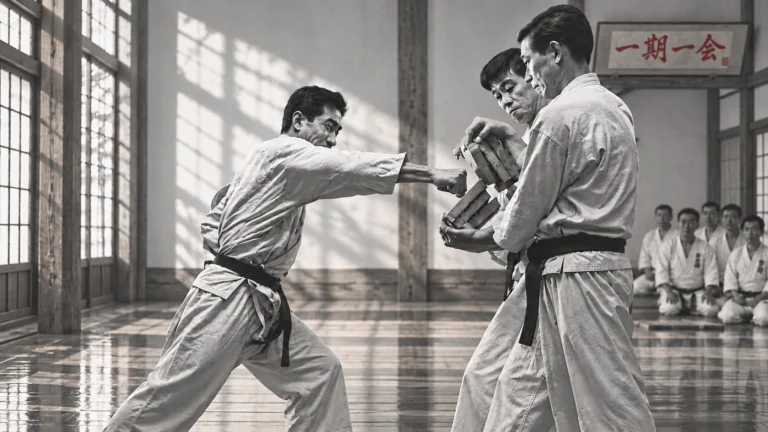
In karate, Sensei Nishiyama constantly emphasized seeking “the beauty of one finishing blow technique.” He didn’t stress practicing more techniques or memorizing more complex combinations. Rather, he urged his students to go deeper into each individual technique. In his view, each technique offers limitless levels of refinement…
Similar Posts

  • |

    Karate from Inside – Stances: The Foundation in Motion

    “In karate we have no peak, no limit,” Nishiyama Sensei once said. But if there is no peak to reach, no final level at which mastery is complete, what keeps someone training for forty, fifty, sixty years — and why do some continue while others, having trained seriously for years, eventually stop? This essay is about persistence as the body ages, and about what “will” really means when the reasons that first drew us onto the floor begin to disappear.

  • |

    Karate from Inside – Will and Ageing

    “In karate we have no peak, no limit,” Nishiyama Sensei once said. But if there is no peak to reach, no final level at which mastery is complete, what keeps someone training for forty, fifty, sixty years — and why do some continue while others, having trained seriously for years, eventually stop? This essay is about persistence as the body ages, and about what “will” really means when the reasons that first drew us onto the floor begin to disappear.

  • |

    Karate from Inside – Posture: The Blueprint of Potential

    In traditional karate, we spend years correcting nothing more than how we stand. This piece explains why: posture is where the body first meets pressure, and under threat, an old nervous-system reflex takes over – not because it’s poorly designed, but because it solves a different problem than the one karate demands. From the head down to the feet, this is the mechanism behind the collapse, and the one place training can actually interrupt it: the eyes.

  • | |

    Growing older in Karate

    …Ageing is not a choice, but you can choose how to age… There comes a point in training when the body changes the rules. Not much at first. The techniques still work. The combinations are still familiar. Kata remains somewhere deep in the nervous system, appearing almost automatically once movement begins. But something shifts anyway….

Leave a Reply

Your email address will not be published. Required fields are marked *